🛡️ Discreet & Fast Shipping — Your Privacy & Safety, Guaranteed
One of the most important things to understand about psychedelic microdosing is that there is no universally established microdose that works for everyone.
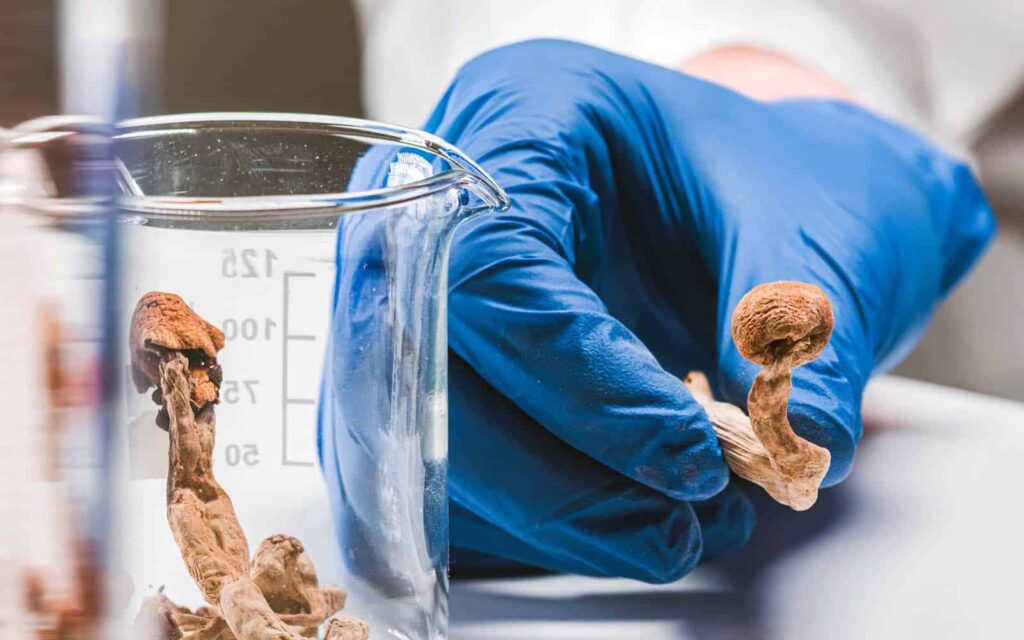
The amount of psilocybin contained in mushrooms can vary considerably between species, individual mushrooms, growing conditions, and preparations. Because of this variation, a specific weight of dried mushrooms does not necessarily represent a consistent amount of psilocybin.
This is one reason researchers distinguish between informal microdosing practices and controlled clinical research.
Why Dosage Can Be Difficult to Predict
Several factors can influence how someone responds to psilocybin, including:
- The concentration of psilocybin in the material
- Individual sensitivity
- Previous psychedelic experience
- Other substances or medications
- Physical and mental health
- Expectations and environment
Body weight alone does not reliably determine how someone will respond.
A common misconception is that measuring a particular number of grams automatically produces a predictable microdose. In reality, naturally occurring mushrooms can have substantial variation in potency.
Why “More” Is Not Necessarily Better
The purpose of microdosing is generally to experience little or no noticeable psychedelic alteration.
If someone experiences significant perceptual changes, anxiety, confusion, or other unexpected effects, that is no longer consistent with the intended idea of a sub-perceptual dose.
Because individual responses and mushroom potency can vary, experimenting with progressively larger amounts is not a reliable way to determine a “perfect” dose.
The Importance of Research and Professional Guidance
People taking prescription medication or managing a medical or mental-health condition should be particularly cautious.
Psilocybin can affect the nervous system and may interact with other substances or medications. Anyone considering psychedelic use should discuss potential risks with a qualified healthcare professional rather than relying on online dosing charts.
It is also important to understand the laws surrounding psilocybin where you live, as possession and use remain restricted in many jurisdictions.
4. Potential Benefits of Microdosing Mushrooms
Microdosing has attracted attention because many people report changes in mood, creativity, focus, and emotional well-being.
However, there is an important distinction between reported benefits and scientifically established benefits.
Research into microdosing remains limited, and controlled studies have produced mixed results. Some reported improvements may also be influenced by expectations or the placebo effect.
With that in mind, here are some of the areas researchers are investigating.
1. Mood and Emotional Well-Being
Mood is one of the most frequently discussed reasons people become interested in microdosing.
Some users report feeling more positive, emotionally open, or mentally refreshed after taking a psychedelic substance.
However, current evidence does not establish microdosing as a reliable treatment for depression or anxiety.
Research into full-dose psilocybin-assisted therapy is a separate area of investigation and should not automatically be used as evidence that microdosing produces the same therapeutic effects.
2. Creativity
Creativity is another major reason for the popularity of microdosing.
People sometimes report experiencing new perspectives, greater flexibility in their thinking, or increased interest in creative activities.
Scientific findings, however, are mixed. Some research has found changes in certain aspects of cognition, while other controlled studies have not found broad improvements in creativity.
More research is needed to determine whether microdosing consistently enhances creative performance.
3. Focus and Cognitive Performance
Some people use microdosing because they believe it helps them concentrate or stay engaged with tasks.
While personal reports frequently mention focus and productivity, research has not established a consistent cognitive-enhancing effect.
In fact, noticeable psychedelic effects could potentially interfere with concentration and judgment rather than improve them.
This is why claims that microdosing automatically makes someone more productive or mentally sharp should be treated cautiously.
4. Anxiety and Depression
Microdosing is sometimes promoted online as a way to manage anxiety and depression.
At present, this claim requires considerable caution.
Researchers are studying psilocybin-assisted therapy for several mental-health conditions, and some clinical trials have produced promising findings. However, these studies generally involve controlled doses, carefully selected participants, preparation, and professional supervision.
That is very different from unsupervised microdosing.
Anyone experiencing persistent anxiety or depression should speak with a qualified healthcare professional rather than attempting to replace established treatment with psychedelic substances.
5. Self-Awareness and Personal Reflection
Some people describe microdosing as making them more reflective or aware of their emotions.
This may explain why journaling, meditation, and other forms of self-reflection are sometimes associated with microdosing communities.
However, personal experiences are difficult to separate from expectations and other lifestyle changes. There is currently not enough evidence to conclude that microdosing reliably produces long-term personal growth.
6. Energy and Everyday Well-Being
Energy and general well-being are also frequently mentioned in personal accounts.
However, these effects have not been established as reliable outcomes of psychedelic microdosing.
If someone experiences increased energy after using a psychedelic, the effect may depend on individual response, expectations, sleep, mood, or other factors.
Similarly, microdosing should not be promoted as a proven method for improving sleep or physical performance.
What Does the Evidence Actually Tell Us?
The most responsible way to discuss microdosing is to separate what people report from what researchers have demonstrated.
There are many positive personal accounts surrounding microdosing, particularly regarding creativity, mood, and focus. At the same time, controlled research has produced mixed findings.
This does not mean that every reported experience is false. It means that scientists still need stronger evidence to determine:
- Which effects are caused by psilocybin itself
- How much expectations influence perceived benefits
- Which people may respond positively or negatively
- Whether repeated microdosing has meaningful long-term effects
- What risks may develop with continued use
More controlled research will help answer these questions.
Microdosing Is Not a Proven Medical Treatment
Despite its growing popularity, microdosing should not currently be described as a proven treatment for depression, anxiety, ADHD, PTSD, or other medical conditions.
The broader field of psychedelic research is promising, but different forms of psychedelic use should not be treated as interchangeable.
Clinical psychedelic therapy involves medical screening, controlled conditions, standardized substances, and professional oversight. Recreational or self-directed microdosing does not necessarily provide those safeguards.
Final Thoughts
Microdosing is an emerging area of interest that sits between psychedelic culture, neuroscience, and wellness.
People report potential benefits involving mood, creativity, focus, and self-awareness, but scientific evidence remains mixed. Researchers are continuing to investigate whether these effects are consistent, how much expectations contribute to them, and what the long-term risks may be.
Rather than viewing microdosing as a guaranteed productivity or mental-health solution, it is better understood as an area of ongoing research.
Anyone considering psilocybin should also consider potential medication interactions, individual health factors, psychological risks, and local laws.
As psychedelic research develops, future studies may provide a clearer picture of where microdosing may—and may not—have a meaningful role.