🛡️ Discreet & Fast Shipping — Your Privacy & Safety, Guaranteed
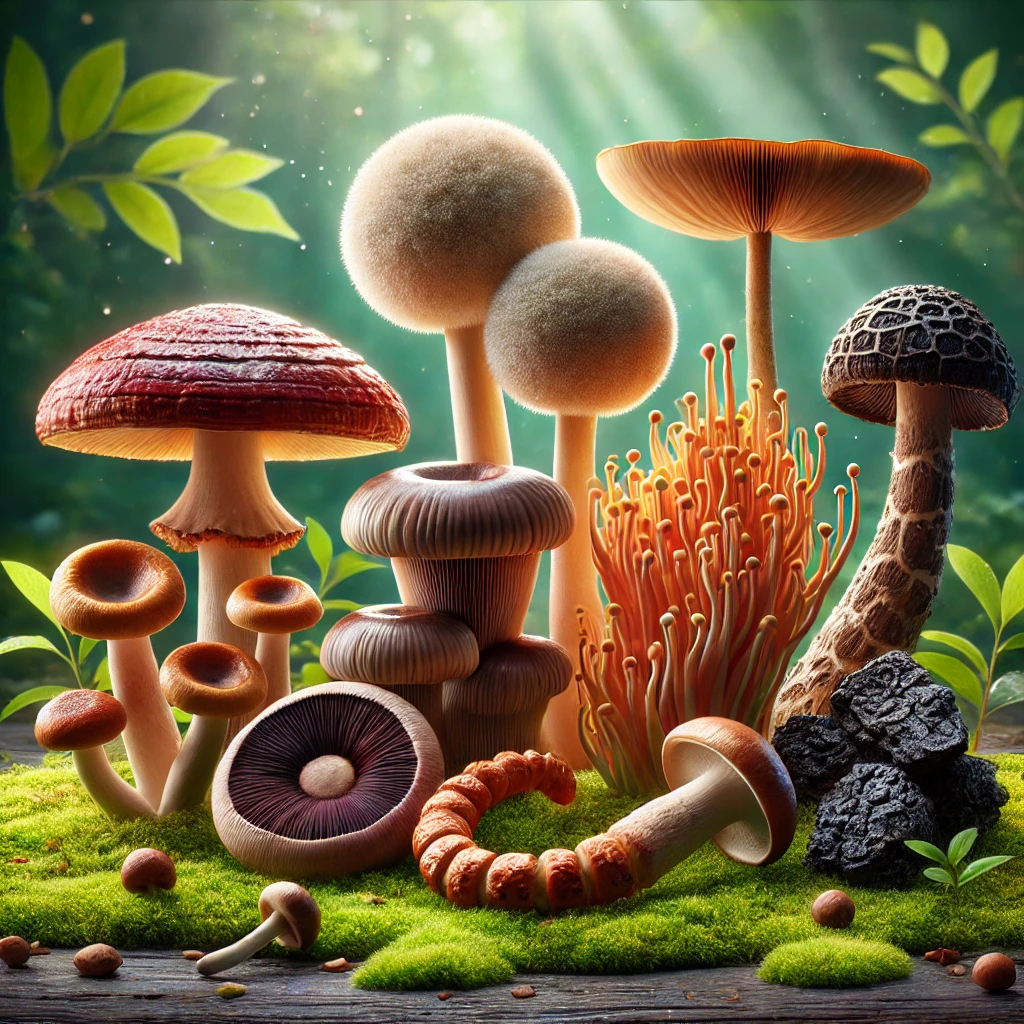
Anxiety can affect sleep, concentration, energy, and everyday well-being. While mushrooms should not replace professional treatment for an anxiety disorder, some functional mushrooms may support the body’s response to stress and promote overall mental well-being.
So, what are the best mushrooms for anxiety?
Reishi is often associated with relaxation and sleep support, while Lion’s Mane has attracted attention for its potential effects on brain health and mood. Other mushrooms, including Cordyceps, Chaga, and Turkey Tail, may offer broader support for energy, immunity, and gut health.
Below, we’ll look at the most popular mushrooms for anxiety, what research suggests, how people commonly use them, and what to consider before adding a mushroom supplement to your routine.
What Are the Best Mushrooms for Anxiety?
Not all mushrooms have the same properties. If your main goal is relaxation and stress support, Reishi is generally the most relevant functional mushroom to consider. Lion’s Mane may be more appealing if stress is accompanied by brain fog or difficulty concentrating.
Here are some of the most commonly discussed options:
1. Reishi
Reishi (Ganoderma lucidum) is one of the most popular functional mushrooms for relaxation and stress support. It has a long history of traditional use and contains compounds such as triterpenes and polysaccharides.
Reishi is particularly interesting for people whose stress is associated with poor sleep or difficulty winding down at night. However, research on Reishi specifically for anxiety in humans is still developing, so it is better described as a potential wellness and stress-support option rather than a proven anxiety treatment.
Common uses include:
- Supporting relaxation
- Promoting healthy sleep
- Supporting the body’s response to stress
- Supporting general immune health
Reishi is commonly available as tea, powder, capsules, and extracts.
2. Lion’s Mane
Lion’s Mane (Hericium erinaceus) is best known for its connection to brain and nervous-system health. It contains compounds called hericenones and erinacines that have been studied for their relationship with nerve growth factor (NGF).
Early research has created interest in Lion’s Mane for anxiety, mood, and cognitive health, although larger human studies are still needed.
It may be particularly interesting for people who experience stress alongside:
- Brain fog
- Difficulty concentrating
- Mental fatigue
- Low mood
Lion’s Mane can be found in powders, capsules, extracts, and functional mushroom blends.
3. Cordyceps
Cordyceps is commonly used for energy, endurance, and physical performance. Because prolonged stress can leave people feeling mentally and physically exhausted, supporting energy levels may indirectly contribute to better stress management.
However, Cordyceps should not be considered a direct treatment for anxiety.
It is generally used to support:
- Energy and stamina
- Exercise performance
- Recovery
- General resilience
Cordyceps is commonly available in capsules, powders, and extracts.
4. Chaga
Chaga (Inonotus obliquus) is rich in antioxidant compounds and is traditionally used to support overall wellness and immune function.
Although Chaga is sometimes marketed as a mushroom for anxiety, there is not enough strong clinical evidence to say that it directly treats anxiety. Its potential value is better viewed as part of a broader approach to general health and stress management.
Chaga is often consumed as a tea, powder, or extract.
5. Turkey Tail
Turkey Tail (Trametes versicolor) is particularly known for immune and gut-health research. Because the gut and brain communicate through the gut-brain axis, maintaining healthy gut function may be relevant to overall mood and well-being.
However, this does not mean Turkey Tail has been proven to treat anxiety.
Its better-established areas of interest include:
- Immune support
- Gut and microbiome health
- Antioxidant activity
Turkey Tail is available as tea, powder, capsules, and extracts.
How Can Functional Mushrooms Support Stress?
The relationship between mushrooms and anxiety is still being researched. Functional mushrooms should therefore be viewed as potential wellness supplements rather than established anxiety medications.
Several mechanisms are being investigated.
Stress Response
Some mushroom compounds are being studied for their effects on the body’s response to stress. Reishi, in particular, has attracted interest because of its traditional use for relaxation and its bioactive compounds.
However, claims that functional mushrooms directly “balance cortisol” or treat anxiety should be made cautiously because human evidence remains limited.
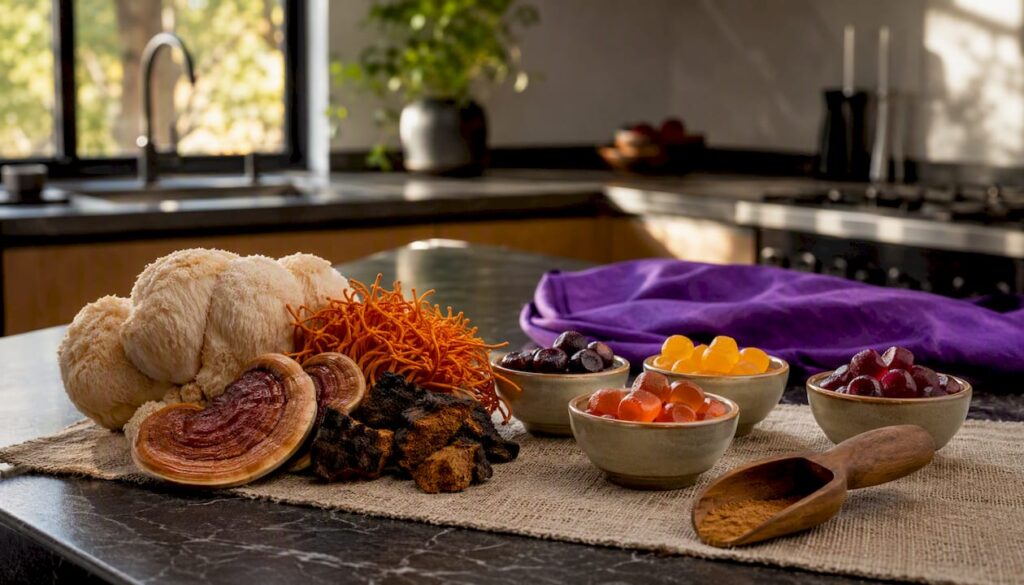
Brain and Nervous-System Support
Lion’s Mane is one of the most researched functional mushrooms in this area.
Laboratory and early human research has investigated its potential relationship with nerve growth factor and cognitive function. This is one reason Lion’s Mane has become popular among people interested in focus, memory, and mental well-being.
More research is needed before it can be considered an established treatment for anxiety.
Antioxidant and Immune Support
Mushrooms such as Chaga and Turkey Tail contain compounds with antioxidant and immune-related properties.
Supporting general physical health may be useful when dealing with everyday stress. However, antioxidant activity alone does not mean that a mushroom can directly reduce anxiety symptoms.
Gut-Brain Health
The gut and brain communicate through the gut-brain axis, an area of growing scientific interest.
Turkey Tail and other mushrooms contain polysaccharides that may interact with the gut microbiome. Research is ongoing to understand how these interactions could influence overall health and mood.
Reishi vs. Lion’s Mane for Anxiety
If you’re comparing the best mushrooms for anxiety, Reishi and Lion’s Mane are usually the two most relevant options, but they are used for different reasons.
| Mushroom | Common focus | Best suited to |
|---|---|---|
| Reishi | Relaxation and sleep | Stress and difficulty winding down |
| Lion’s Mane | Brain and cognitive support | Brain fog and concentration |
| Cordyceps | Energy and stamina | Stress-related fatigue |
| Chaga | Antioxidant and immune support | General wellness |
| Turkey Tail | Gut and immune support | Digestive and immune wellness |
This comparison does not mean one mushroom is clinically proven to be better for anxiety than another. Individual responses can also vary.
How to Use Mushrooms for Anxiety
Functional mushrooms come in several forms, making them relatively easy to incorporate into a daily routine.
Mushroom Tea
Reishi and Chaga are commonly prepared as teas. For many people, the relaxing ritual of drinking a warm beverage in the evening can also become part of a healthy nighttime routine.
Mushroom Powder
Powders can be mixed into:
- Smoothies
- Coffee
- Tea
- Oatmeal
- Soups
- Other foods and drinks
Always follow the serving instructions provided by the manufacturer.
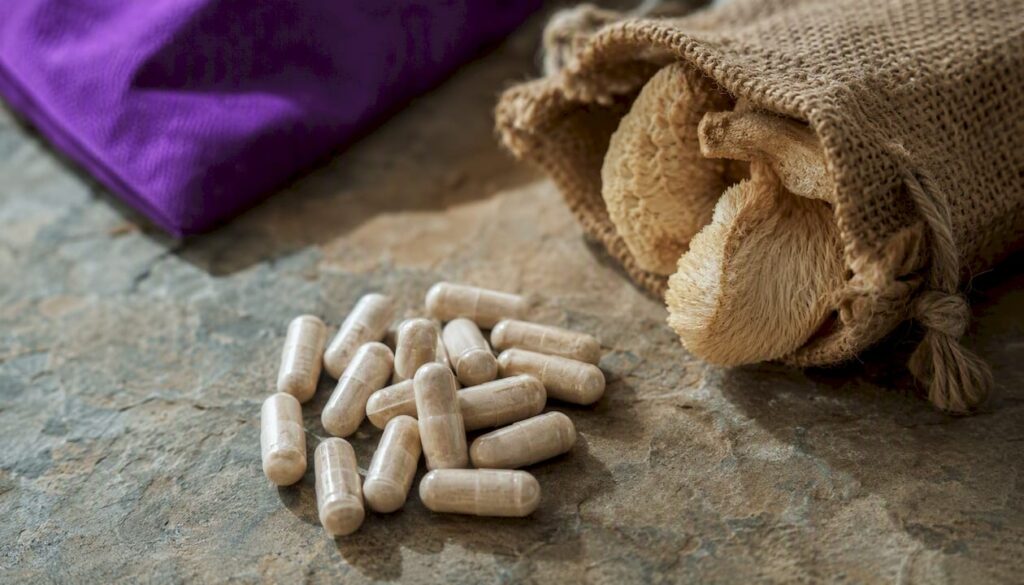
Capsules
Capsules are convenient for people who want a consistent serving without preparing tea or mixing powder into food.
Look at the label carefully to determine the mushroom species, extract type, serving size, and amount per serving.
Mushroom Extracts
Extracts are concentrated forms of mushrooms. Some products use hot-water extraction, while others use additional extraction methods to obtain different compounds.
When shopping for an extract, look for clear labeling and independent testing where available.
How Long Do Mushrooms Take to Work for Anxiety?
There is no reliable timeline for when a functional mushroom will reduce anxiety because clinical evidence is limited and individual responses differ.
Some people may notice changes in relaxation or general well-being relatively quickly, while others may notice nothing.
It is important not to assume that a mushroom supplement will produce a predictable result after a specific number of days or weeks.
If anxiety is persistent, severe, or interfering with daily life, professional evaluation is more appropriate than relying on supplements alone.
Can Mushrooms Really Help With Anxiety?
Potentially, but the answer depends on which mushrooms you’re talking about.
Functional mushrooms such as Reishi and Lion’s Mane are being investigated for stress, mood, cognition, and nervous-system health. However, research is still developing, and they should not be presented as proven treatments for anxiety disorders.
Psychedelic mushrooms containing psilocybin are a separate category. Clinical research has investigated psilocybin-assisted therapy for certain mental health conditions, including anxiety associated with serious illness. These studies involve carefully controlled settings and professional supervision.
Psilocybin mushrooms should therefore not be treated as equivalent to everyday functional mushroom supplements.
Are Mushroom Supplements Safe for Everyone?
Natural does not automatically mean risk-free.
Functional mushroom supplements can cause side effects in some people, including:
- Digestive discomfort
- Nausea
- Bloating
- Diarrhea
- Allergic reactions
Certain mushrooms may also interact with medications or be inappropriate for people with particular medical conditions.
Before using mushroom supplements, speak with a healthcare professional if you:
- Take prescription medication
- Have a chronic medical condition
- Have an autoimmune condition
- Are pregnant or breastfeeding
- Have a history of significant mental health conditions
It is also worth choosing products from reputable manufacturers that clearly identify the mushroom species, ingredients, serving size, and testing information.
What Should You Look for in a Mushroom Supplement?
If you’re shopping for a mushroom supplement for anxiety or stress, don’t focus only on the word “mushroom” on the front of the package.
Instead, check for:
Clearly Identified Mushroom Species
The label should tell you exactly which mushroom is included, such as Ganoderma lucidum for Reishi or Hericium erinaceus for Lion’s Mane.
Transparent Serving Information
A quality product should clearly state how much mushroom or extract is provided per serving.
Testing and Quality Control
Third-party testing can provide additional information about product purity and potential contaminants.
Appropriate Extraction
Different extraction methods can affect which compounds are present. Look for manufacturers that clearly explain their extraction process rather than making vague claims about potency.
Avoid Unrealistic Health Claims
Be cautious of products claiming to “cure anxiety,” “eliminate depression,” or provide guaranteed results.
A reputable product should explain potential benefits without promising medical outcomes.
Frequently Asked Questions
What is the best mushroom for anxiety?
Reishi is one of the most commonly discussed functional mushrooms for relaxation and stress support. Lion’s Mane is another popular option because of its potential relationship with brain and cognitive health. However, neither should be considered a proven treatment for an anxiety disorder.
Is Reishi good for anxiety?
Reishi may support relaxation and general stress management, and it has a long history of traditional use. However, more high-quality human research is needed to determine how effective it is specifically for anxiety.
Is Lion’s Mane good for anxiety?
Early research suggests that Lion’s Mane may have effects related to cognitive function and mood. It is promising, but there is not enough evidence to say that Lion’s Mane treats anxiety.
Can I take mushroom supplements every day?
Some functional mushroom products are designed for daily use. However, the appropriate amount depends on the specific mushroom, extract, product formulation, and individual circumstances. Follow the manufacturer’s directions and speak with a healthcare professional if you take medication or have a medical condition.
Which mushroom is best for stress and sleep?
Reishi is the functional mushroom most commonly associated with relaxation and sleep support. If sleep problems are persistent or severe, however, it is important to identify and address the underlying cause rather than relying solely on supplements.
Are psychedelic mushrooms the same as functional mushrooms?
No. Functional mushrooms such as Reishi, Lion’s Mane, Cordyceps, Chaga, and Turkey Tail are generally non-intoxicating. Psychedelic mushrooms contain compounds such as psilocybin that can significantly alter perception and consciousness.
Can mushroom supplements replace anxiety medication?
No. Mushroom supplements should not be considered a replacement for prescribed anxiety medication or professional mental health treatment. Anyone considering combining supplements with medication should speak with a healthcare professional first.
Final Thoughts: Choosing the Best Mushrooms for Anxiety
The best mushrooms for anxiety depend on what you’re hoping to support.
Reishi is the most relevant choice for relaxation and nighttime routines, while Lion’s Mane is better known for brain and cognitive support. Cordyceps may be useful when stress is accompanied by fatigue, while Chaga and Turkey Tail are better known for antioxidant, immune, and gut-health properties.
The key is to keep expectations realistic. Functional mushrooms can be part of a broader wellness routine, but they should not be presented as a cure for anxiety.
For persistent or severe anxiety, consider evidence-based options such as talking therapy, healthy sleep habits, regular physical activity, stress-management techniques, and professional medical care.
If you decide to try a mushroom supplement, choose a transparent, quality-focused product and use it consistently according to the product’s instructions.