🛡️ Discreet & Fast Shipping — Your Privacy & Safety, Guaranteed
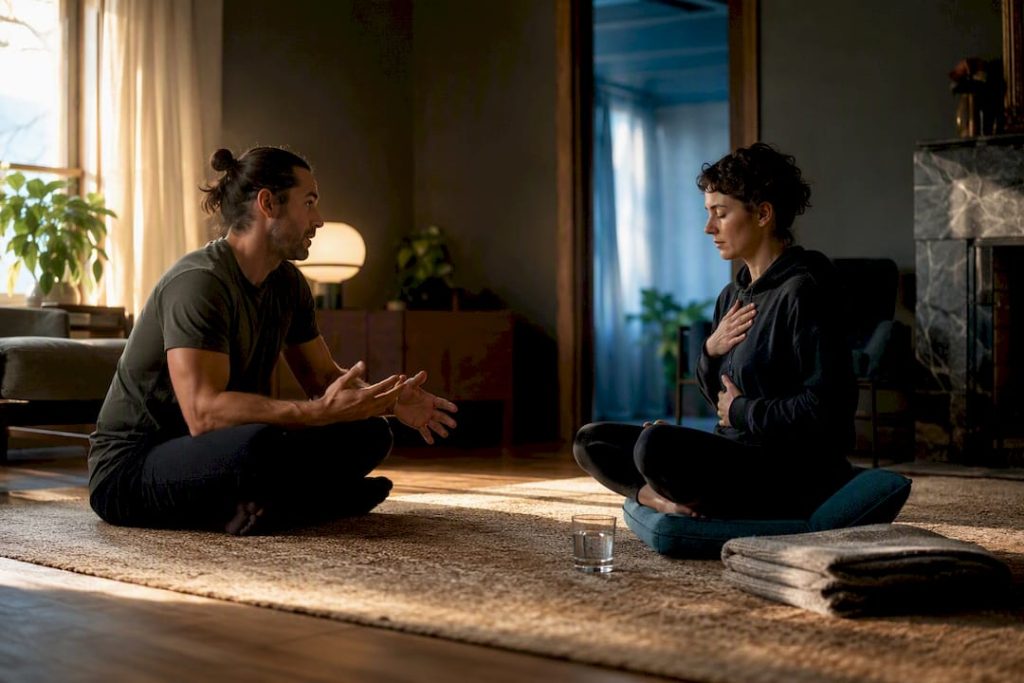
If you or someone with you is having a bad trip, the first priorities are safety, a calm environment, and reassurance. Move to a quiet, comfortable space, reduce stimulation, and stay with the person. Remind them that the effects are temporary and avoid adding alcohol, other drugs, or more of the substance.
Most difficult psychedelic experiences eventually resolve as the drug wears off. However, some physical or behavioral symptoms can indicate a medical emergency and should never be dismissed as “just a bad trip.”
Quick summary
- Move to a quiet, low-stimulation environment.
- Stay calm and reassure the person that the effects will pass.
- Keep them away from traffic, heights, water, weapons, and other hazards.
- Encourage slow, controlled breathing and offer small amounts of water.
- Never add alcohol or other drugs in an attempt to stop the experience.
- Call emergency services for seizures, unconsciousness, breathing problems, dangerous overheating, chest pain, or immediate danger of harm.
What Is a Bad Trip?
A bad trip is an intensely distressing psychological reaction during a psychedelic experience. It can involve panic, paranoia, frightening hallucinations, confusion, dissociation, or repetitive and disturbing thoughts.
Although the experience can feel overwhelming, the psychological symptoms themselves are not necessarily a medical emergency. Psychedelics can also distort the perception of time, making a short period of distress feel much longer than it actually is.
The duration depends on the substance involved. Psilocybin experiences commonly last several hours, while LSD can last considerably longer. Other psychedelics may have much shorter effects.
A useful reminder during a difficult experience is simple:
“This is temporary. You are safe, and I am staying with you.”
When Does a Bad Trip Become a Medical Emergency?
A person experiencing panic or frightening hallucinations may look extremely distressed without being in immediate physical danger. The situation becomes more concerning when there are signs that the person’s body or physical safety is seriously compromised.
Look for:
- Seizures or convulsions
- Loss of consciousness or inability to wake the person
- Severe or dangerous overheating
- Breathing that becomes very slow, irregular, or stops
- Chest pain or signs of a serious heart problem
- Serious injury
- Attempts to harm themselves or another person
- Dangerous behavior that cannot be controlled safely
If any of these occur, contact your local emergency medical service immediately.
It is especially important to seek emergency help when the substance taken is uncertain, may have been contaminated, or was combined with other drugs. Unexpectedly severe physical symptoms should be treated as a possible poisoning rather than assumed to be a normal psychedelic reaction.
What to Do During the First Few Minutes
Once there is no obvious medical emergency, focus on reducing stimulation and helping the person feel physically safe.
1. Move Somewhere Calm
Take the person away from crowds, loud music, bright lights, traffic, or other overwhelming surroundings.
A familiar room with comfortable lighting and minimal noise is usually preferable to a busy environment.
2. Remove Immediate Hazards
Keep the person away from roads, balconies, swimming pools, fireplaces, sharp objects, and anything else that could cause injury.
If possible, have them sit or lie somewhere comfortable rather than walking around unnecessarily.
3. Speak Calmly
Use short, reassuring statements rather than lengthy explanations.
For example:
“You’re safe.”
“The effects will wear off.”
“I’m staying here with you.”
Avoid arguing about hallucinations or trying to prove that what they are experiencing is not real. A calm presence is generally more helpful than confrontation.
4. Encourage Slow Breathing
If anxiety is causing rapid breathing, encourage slow and comfortable breaths. A slightly longer exhale can help the person settle.
Don’t force breathing exercises if they make the person more anxious. The goal is relaxation, not perfect technique.
5. Offer Basic Comfort
If they are thirsty, offer small amounts of water. A blanket may help if they are cold, and access to a bathroom can remove another source of anxiety.
Avoid giving them alcohol, additional drugs, or unknown medication to try to end the experience.
6. Stay With Them
Don’t leave a severely distressed person alone. Continue monitoring their behavior and physical condition.
If their condition changes or any emergency warning signs appear, seek medical help immediately.
How to Be a Good Trip Sitter
A trip sitter’s most important role is maintaining a safe and calm environment.
Before an experience, remove obvious hazards and make sure the person has access to a familiar, comfortable space. During a difficult experience, stay nearby, speak calmly, and avoid sudden movements or unnecessary stimulation.
A good sitter should:
- Remain sober and calm.
- Stay with the person.
- Keep dangerous objects and areas inaccessible.
- Prevent the person from wandering into unsafe situations.
- Encourage rest and hydration when appropriate.
- Contact emergency services if serious warning signs appear.
Physical restraint should not be used casually. If someone becomes an immediate danger to themselves or another person, professional emergency assistance is preferable whenever possible.
Medication: Why Caution Matters
Medication should not be the first response to a difficult psychedelic experience.
Severe agitation, confusion, or dangerous physical symptoms may require treatment by medical professionals who can assess the person’s condition and monitor their breathing, heart rate, temperature, and other vital signs.
Sedating medications can be dangerous when combined with alcohol, opioids, or other substances that depress the nervous system. Antipsychotic medications also have risks and should not be treated as routine home remedies for a bad trip.
If someone has taken multiple substances or their medication history is unknown, professional medical advice is especially important.
Aftercare: The Hours and Days Following a Bad Trip
Once the acute effects have passed, the priority should be recovery.
Encourage the person to:
- Rest and get adequate sleep.
- Eat normally when they feel able.
- Drink fluids.
- Avoid immediately taking more drugs or alcohol.
- Spend time in a calm and familiar environment.
- Talk to someone they trust if they want to discuss the experience.
It can also help to write down what happened after the person has rested. Journaling can provide a way to organize thoughts without immediately trying to interpret every part of the experience.
A difficult experience does not necessarily mean that something is permanently wrong. However, persistent distress deserves attention.
Seek professional support if anxiety remains severe, disturbing memories repeatedly interfere with daily life, perceptual changes continue after the expected effects have ended, or thoughts of self-harm occur.
Why Do Some Trips Turn Bad?
Difficult psychedelic experiences can have several contributing factors.
Mindset
A person’s emotional state before taking a psychedelic can influence how they respond to the experience. Significant stress, fear, anxiety, grief, or emotional instability may make distress more likely.
Setting
The environment also matters. Crowded parties, unfamiliar locations, loud sounds, interpersonal conflict, or a lack of trusted support can increase anxiety.
Physical Condition
Being exhausted, dehydrated, overheated, hungry, or physically uncomfortable can make an already intense experience harder to manage.
Unexpected Potency or Substances
Uncertain potency, contaminated substances, or combinations with other drugs can increase risk and make the effects less predictable.
These factors do not mean someone is responsible for having a bad trip. They simply help explain why preparation and a controlled environment can make a difference.
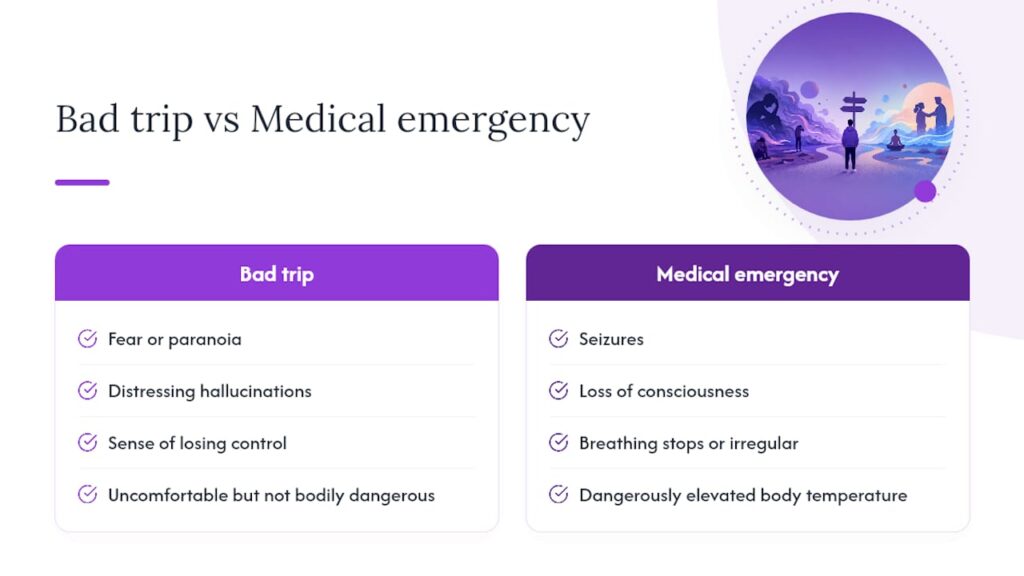
Is It a Bad Trip or a Medical Emergency?
The easiest distinction is to look beyond the person’s thoughts and hallucinations and assess their physical condition and immediate safety.
A difficult psychedelic experience may involve:
- Fear
- Panic
- Paranoia
- Confusion
- Frightening hallucinations
- Repetitive thoughts
- Feeling detached from reality
A potential medical emergency may involve:
- Seizures
- Unconsciousness
- Severe breathing problems
- Dangerous overheating
- Serious chest pain
- Major injury
- Immediate risk of suicide or serious violence
When there is uncertainty about someone’s physical condition, it is safer to seek medical assistance than to assume the symptoms will pass.
How Much Do Mindset and Setting Matter?
“Set and setting” refers to the person’s mental state and their surrounding environment.
Set includes expectations, emotional state, stress level, and reasons for taking the substance.
Setting includes the physical location, people present, lighting, noise, and availability of sober support.
These factors can influence how someone interprets intense sensations, thoughts, and emotions. A familiar and controlled environment may be easier to manage than a chaotic or unfamiliar one.
Mental Preparation
Mental preparation should begin before the experience.
Consider whether you are currently dealing with severe stress, acute grief, major emotional problems, or significant anxiety. If so, postponing the experience may be the safer choice.
Physical preparation matters too. Being rested, hydrated, and comfortable can reduce unnecessary sources of distress.
It is also important to understand that psychedelic experiences can become unpredictable. Having a sober, trusted person nearby and knowing how to obtain emergency help can provide an additional layer of safety.
Can a Bad Trip Cause Long-Term Psychological Problems?
For many people, the intense distress ends as the effects wear off. However, some people may experience lingering anxiety, intrusive memories, or perceptual changes after a difficult psychedelic experience.
Persistent symptoms should not simply be ignored.
Professional support is appropriate if someone experiences:
- Anxiety that does not improve
- Repeated unwanted memories of the experience
- Persistent visual or perceptual changes
- Significant difficulty returning to normal daily activities
- Thoughts of self-harm
Anyone experiencing suicidal thoughts or an immediate risk of harm should seek emergency or crisis support immediately.
What Bad Trip Advice Often Gets Wrong
A common mistake is treating a bad trip as purely psychological.
The person’s physical surroundings can be just as important as what they are experiencing mentally. Someone who is frightened may run into traffic, climb somewhere dangerous, fall, or otherwise put themselves at risk.
For that reason, physical safety should come before complicated grounding techniques.
The second mistake is assuming the situation ends as soon as the psychedelic effects disappear. Rest, emotional support, and appropriate follow-up can be important after a particularly frightening experience.
The goal is not to force the experience to end instantly. The goal is to keep the person safe and help them remain calm until the effects subside.
Reliable Information and Support
For health and substance-related information, prioritize reputable public-health organizations and qualified healthcare professionals.
If emergency symptoms occur, contact your local emergency medical service rather than relying on online advice.
This article provides general educational information and is not a substitute for medical evaluation or professional advice.
FAQ
How Do You Help Someone Having a Bad Trip?
Move them to a quiet and safe environment, remove hazards, stay calm, reassure them that the effects are temporary, and remain with them. Avoid adding alcohol, other drugs, or unknown medication. Seek emergency help if serious physical or behavioral warning signs appear.
How Long Does a Bad Trip Last?
The duration depends on the substance involved. Psilocybin effects commonly last several hours, while LSD can last considerably longer. The subjective experience of time can also become distorted, making the experience feel much longer than it actually is.
What Are the Symptoms of a Bad Trip?
Common symptoms include panic, paranoia, frightening hallucinations, confusion, dissociation, and repetitive or disturbing thoughts. These should be distinguished from medical warning signs such as seizures, unconsciousness, severe breathing problems, dangerous overheating, or serious injury.
Can a Bad Trip Cause Long-Term Problems?
Most difficult experiences eventually resolve, but some people can experience lingering anxiety, intrusive memories, or perceptual changes. Persistent or severe symptoms should be discussed with a qualified mental-health professional.
When Should You Call Emergency Services?
Call emergency services if the person has a seizure, becomes unconscious, has serious breathing problems, appears dangerously overheated, experiences severe chest pain, suffers a serious injury, or poses an immediate risk of serious harm to themselves or someone else.