🛡️ Discreet & Fast Shipping — Your Privacy & Safety, Guaranteed
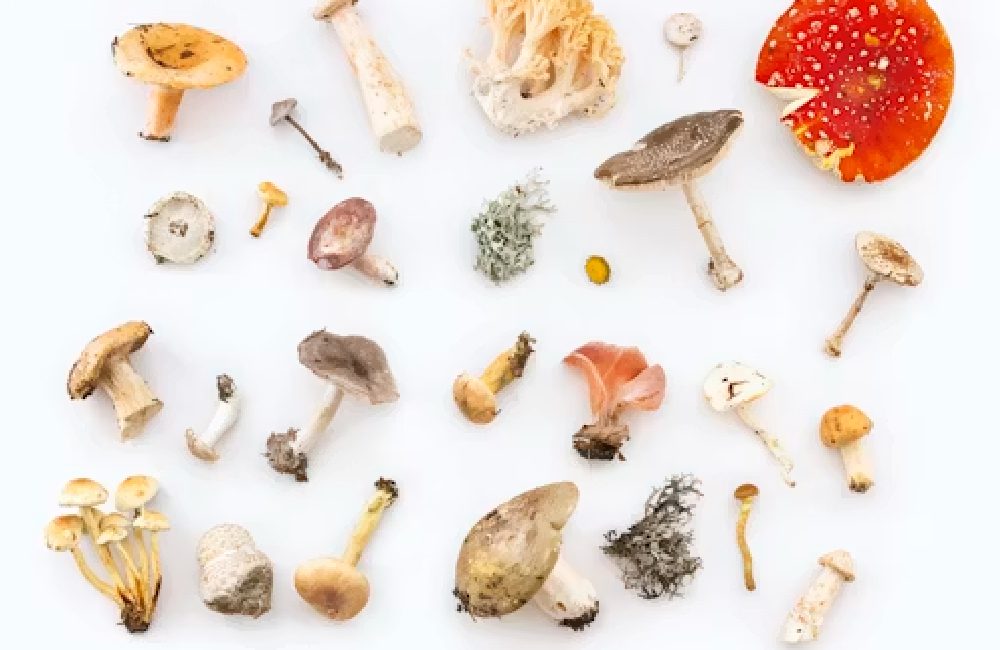
Mushrooms as Medicine? Why Psilocybin May Be the Next Big Breakthrough Treatment
Soft lighting. Comfortable furniture. Art on the walls. To the untrained eye, it looks like a living room. In reality, it is a research facility designed to evoke comfort and ease — and a psilocybin therapy session is underway.
A patient lies on the couch wearing eye shades and headphones. Gentle music plays. Two research team members guide the session over eight hours of quiet introspection. Trained medical staff remain on-site throughout. Despite the familiar setting, this therapy session is anything but ordinary.
Psilocybin — the active ingredient in magic mushrooms — is a powerful psychedelic. It is about 100 times less potent than LSD. Yet it alters perception of space and time, triggers visual distortions, euphoria, and deeply mystical experiences. Many people still associate magic mushrooms with the 1960s psychedelic era. But psilocybin carries a growing and impressive body of potential medical benefits that researchers are actively working to bring into mainstream medicine.
The Current State of Psilocybin Research
Researchers find that psilocybin shows significant potential across a wide range of psychiatric and behavioral disorders. Its potential indications include depression, obsessive-compulsive disorder, smoking cessation, alcohol addiction, cocaine addiction, cluster headaches, and cancer-related psychological distress. Despite this promise, the FDA has not yet approved psilocybin for any indication.
The Drug Enforcement Administration classifies psilocybin mushrooms as a Schedule I drug. This means they carry no currently accepted medical use and a high potential for abuse. Marijuana, MDMA, and LSD share this classification. Yet despite social stigma and legal barriers, researchers continue pushing forward with clinical trials aimed at FDA approval.
What Drives Psilocybin Researchers Forward
Dr. George R. Greer, co-founder and president of the Heffter Research Institute, explains the mission directly. The institute is a non-profit research center focused on the therapeutic uses of psychedelics, particularly psilocybin. “Our mission is two-fold,” Greer says. “One, to do research that helps us understand the mind and the brain. And two, to help reduce suffering through the therapeutic use of psychedelics.”
The institute focuses on two main research areas — addiction and cancer-related psychiatric disorders. Researchers consider cancer-related psilocybin therapy one of the most promising areas of study for the drug.
Psilocybin for Depression
Depression ranks among the most researched indications for psilocybin therapy. The FDA granted psilocybin therapy a “breakthrough therapy” designation — a review fast track — specifically for depression treatment. The Usona Institute, a dedicated psychedelic research center, now plans its phase III clinical trial. This fast-track status signals that regulators recognizes psilocybin as a legitimate candidate for treating one of the world’s most widespread mental health conditions.
Psilocybin for Smoking Cessation and Other Addictions
A small pilot study from Johns Hopkins University found that psilocybin therapy significantly improved smoking abstinence rates over a 12-month follow-up period. Matthew Johnson, PhD, associate professor of psychiatry and behavioral sciences at Johns Hopkins University School of Medicine, led that study.
Johnson also sees strong potential for treating alcohol and cocaine addiction. “The general idea is that the nature of these disorders is a narrowed mental and behavioral repertoire,” he told Healthline. “Psilocybin in well-orchestrated sessions has the ability to essentially shake someone out of their routine. It gives a glimpse of a larger picture and creates a mental plasticity with which people can step outside of those problems.”
A small open-label study on psilocybin and alcohol dependence found that both drinking and heavy drinking declined significantly after treatment. Additionally, researchers in Alabama now conduct active trials targeting psilocybin therapy for cocaine addiction.
Psilocybin for Cancer-Related Psychological Distress
End-of-life psychological distress in cancer patients represents one of the most emotionally powerful areas of psilocybin research. Dr. Charles Grob, professor of psychiatry at the UCLA David Geffen School of Medicine, has studied this area extensively.
“There’ve been some promising preliminary results in the treatment of overwhelming existential anxiety in people facing the end of life with advanced-stage cancer diagnoses,” Grob told Healthline.
A randomized, double-blind trial from Johns Hopkins in 2016 found that a single dose of psilocybin substantially improved quality of life. It also decreased both depression and anxiety in people with life-threatening cancer diagnoses. Johnson, part of that research team, stated: “The thing that we have the most evidence for is cancer-related depression and anxiety. That seems really strong, and I’d be surprised if those results didn’t hold up.”
Will Psilocybin Ever Get FDA Approval?
No clear timeline exists for FDA approval of psilocybin therapy. All three experts agree that psilocybin carries real dangers when people administer it incorrectly. It affects the cardiovascular system and can raise blood pressure or cause irregular heartbeat. It also carries potential for serious psychological harm in vulnerable individuals.
Understanding the Risks of Psilocybin Therapy
“Psilocybin is a lot more psychologically dangerous than cannabis,” Greer warned. “It can trigger a psychosis or manic episode in a person who is vulnerable to that — especially those with a personal or family history of psychosis or mania.”
Bad trips also remain a real risk. Rare but documented cases exist of individuals behaving dangerously while under its influence. Grob states plainly: “Taken in uncontrolled settings, honestly, all bets are off. You don’t know what you’re gonna get.”
Psilocybin therapy differs completely from recreational magic mushroom use. It takes place in a controlled clinical environment with trained and certified therapists and physicians present throughout. Johnson addressed the risk picture directly: “There are risks, but they are dramatically reduced in medical research. Those risks compare very reasonably to many procedures routinely used in medicine.”
Some researchers feel optimistic that psilocybin may follow MDMA therapy toward approval within 5 to 10 years. Yet the pathway remains uncertain. Grob summed it up: “Even though the research has by and large been very positive and encouraging, there hasn’t been enough of it. We need more FDA-approved clinical research with psychedelics — exploring how to optimize their therapeutic potential and better understand the full range of medical effects. There are still questions that need answers.”
The Bottom Line
Psilocybin mushrooms as medicine represent one of the most exciting frontiers in modern psychiatry. Research on depression, addiction, smoking cessation, and cancer-related psychological distress delivers genuinely promising results. Significant work remains before psilocybin therapy reaches mainstream clinical use. But the conversation around mushrooms as medicine is no longer fringe — it happens in university labs, clinical trials, and the halls of the FDA. The next breakthrough treatment may already grow in the forest.